
Wired Panel
Wired Panel
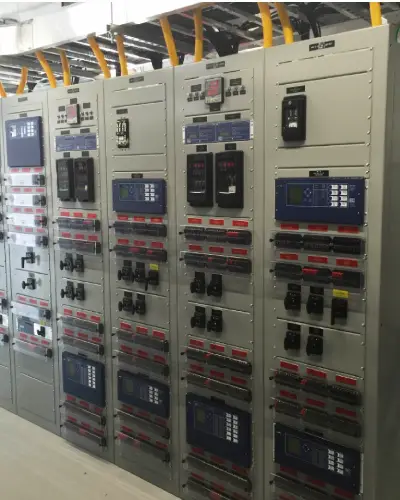
Control & Relay Panel
Metatech provides control and relay panels. They offer a range of solutions, including those used for housing relays like auxiliary and protection relays, and they provide fully engineered panels based on your single line diagram. Their panels can include features like relay interlocking hardwired consoles with time delay circuits. They also offer digital controllers and other automation and control equipment
Customization:
They provide customized solutions, including the installation of various electrical instruments and wiring within the panel.
Features:
Panels may include features like annunciation relays, fuses, links, switches, wiring, labels, terminal blocks, earthing terminals, base frame, foundation bolts, illumination, and cable glands.
Synchronising Panel
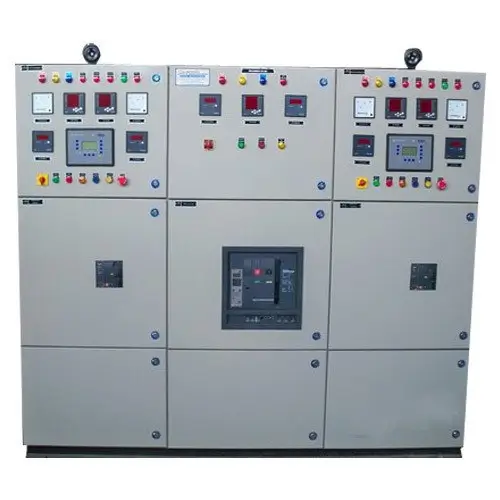
The Metatech- synchronizing panels are designed for commercial and industrial settings. Their main function is to supply a large amount of power from multiple engine generators.
Customization:
We provide customized solutions, including the installation of various electrical instruments and wiring within the panel.
Features:
- Type tested in accordance with IEC 61439 -1 & 2.
- Rated insulation voltage 1000V.
- Main busbars rated up to 12,000A.
- Neutral busbars rated up to 100% of the main busbar, Earth busbars rated up to 50% of the Neutral busbar.
- Can be interfaced with the Building Management System (BMS) for monitoring and controlling.
- Designed for Ambient temperature up to 50 °C.
- Available for indoor & outdoor applications, up to IP55.
- Standard Color, RAL 7035 (other colors on request).
Protection Panel
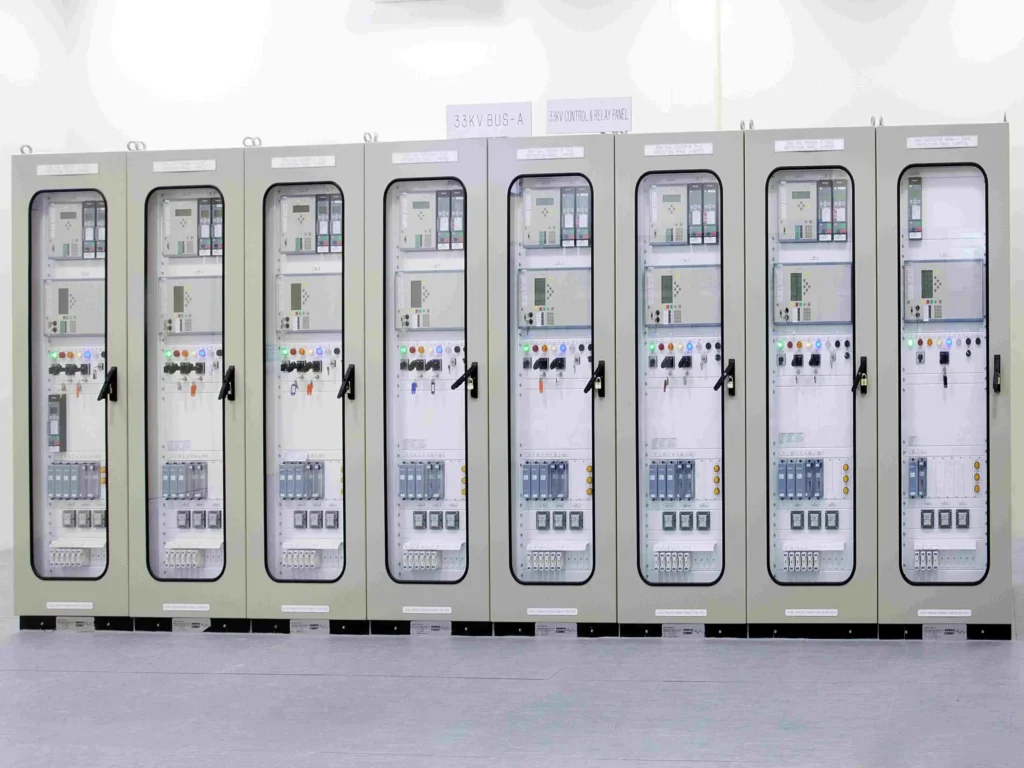
These panels contain protection relays that monitor various electrical parameters, such as voltage, current, and frequency. They are designed to detect abnormal conditions, faults, and overloads in the electrical system and initiate protective measures to isolate the fault and prevent damage when they occur.
Features:
- Protection & Control Panel design (From a single line diagram)
- Protection & Control Panel builds
- FAT (Functional Acceptance Testing)
- Internal Wiring/ Continuity testing (Point- to -Point verification)
- Hi-Pot Testing
- Panel energization
- Secondary injection during testing.
- Digital Input/output testing
- Analog current/ Voltage check
- Downloading Setting files within the Relay
- CWDs and Panel Layouts.
- Panel Integrations with a Ehouse.
Metering Panel
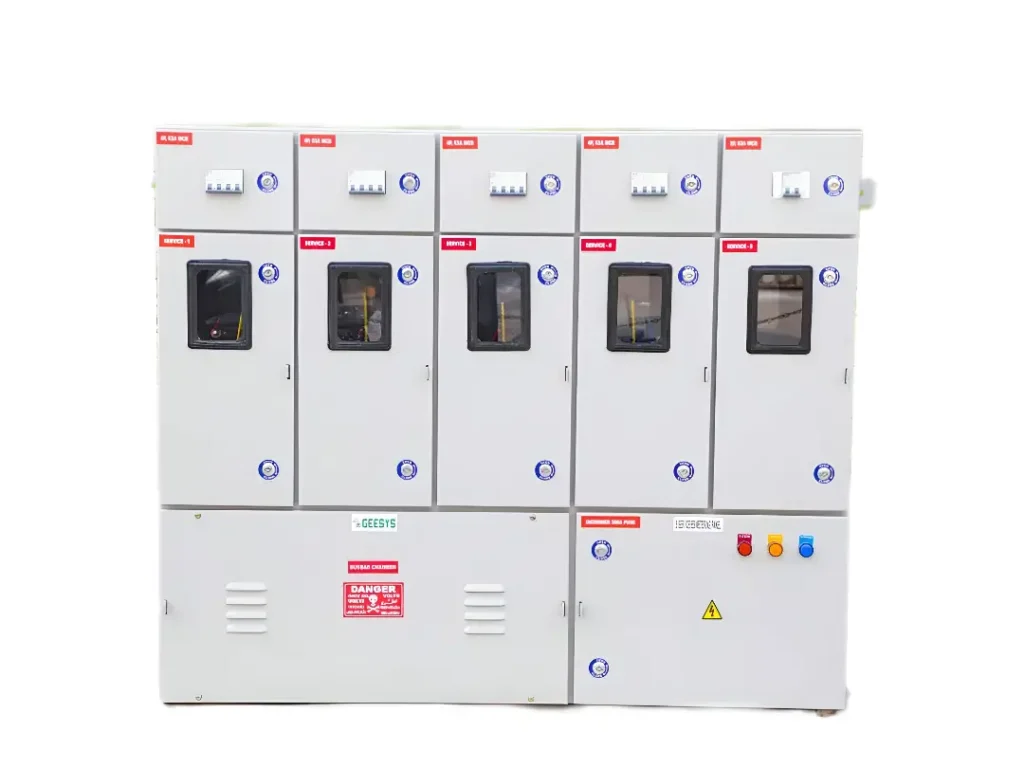
A metering panel in a substation is a device used to measure and monitor the flow of electrical power through the substation. It typically includes meters, transformers (CTs and VTs), and other instruments to accurately track energy consumption and power quality parameters, like voltage and current. These panels are crucial for managing the power grid and billing customers accurately.
Types of Metering Panels:
- High Voltage (HV) Metering Panels: Used in substations with high voltage lines (e.g., 11 kV, 33 kV).
- Medium Voltage (MV) Metering Panels: Used in substations with medium voltage lines.
- Low Voltage (LV) Metering Panels: Used in substations with low voltage lines.
- Indoor vs. Outdoor: Metering panels can be designed for indoor or outdoor installation.
Features:
- Power Management
- Billing Accuracy
- Power Quality Monitoring:
- Fault Detection
- Load Balancing
Power Distribution Panel
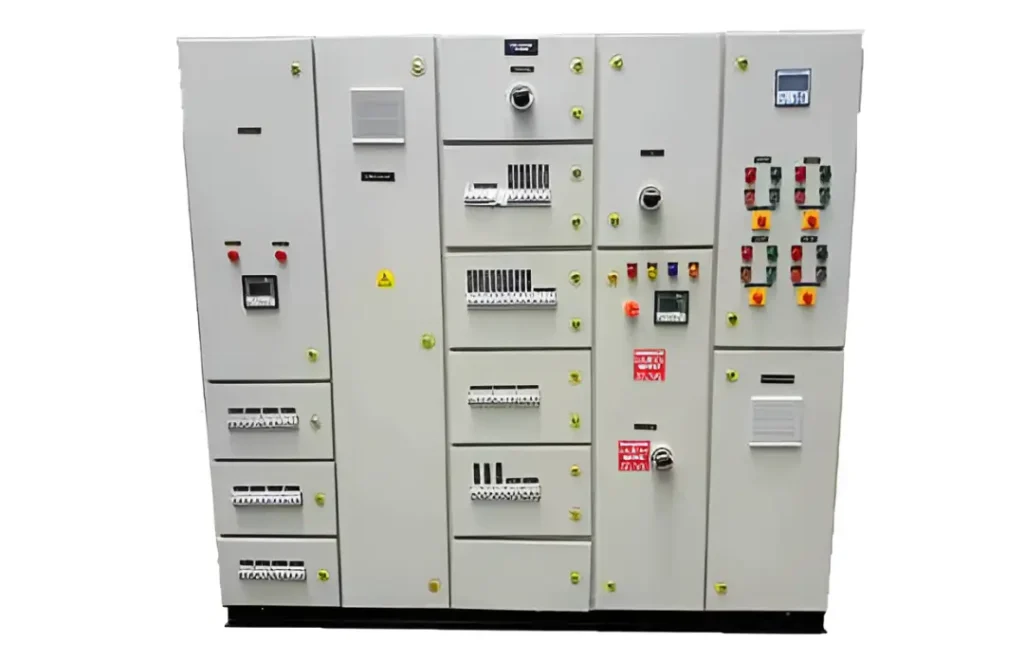
A Power Distribution Panel (PDP) is a key component in electrical systems, responsible for distributing electricity from a single source to multiple circuits, often with circuit breakers or fuses for protection. They act as a central hub, ensuring power delivery to various devices and systems while protecting against overloads and short circuits. Features:
- Circuit Protection
- Metering and Monitoring
- Load Balancing
- Centralized Control
Transducer Panel
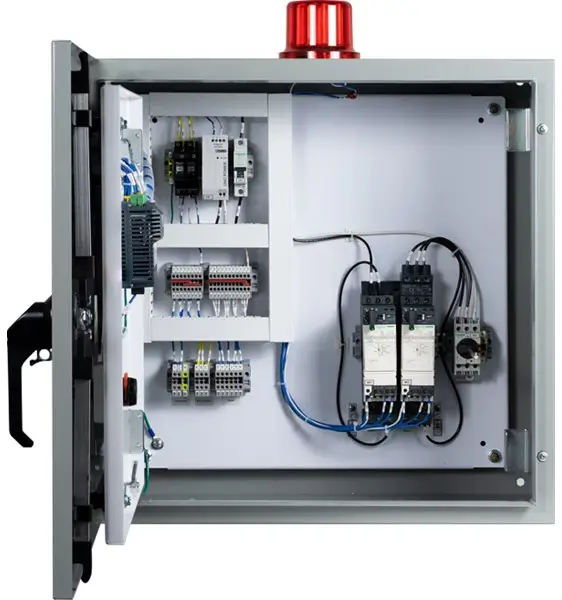
A transducer panel typically offers features like precise current and voltage measurement, robust construction, and reliable performance in various environmental conditions. Key features include high accuracy, low ripple output, and options for dual or single outputs. Additionally, some panels offer features like self-powered operation, DIN rail mounting, and galvanically isolated signals for enhanced safety and accuracy.
Features:
- High Accuracy
- Low Ripple Output
- Load-Independent Outputs
- Self-Powered or Auxiliary Powered
- Galvanically Isolated Signals
- Multiple Output Options
- Open and Short Circuit Protection
Starter Panel
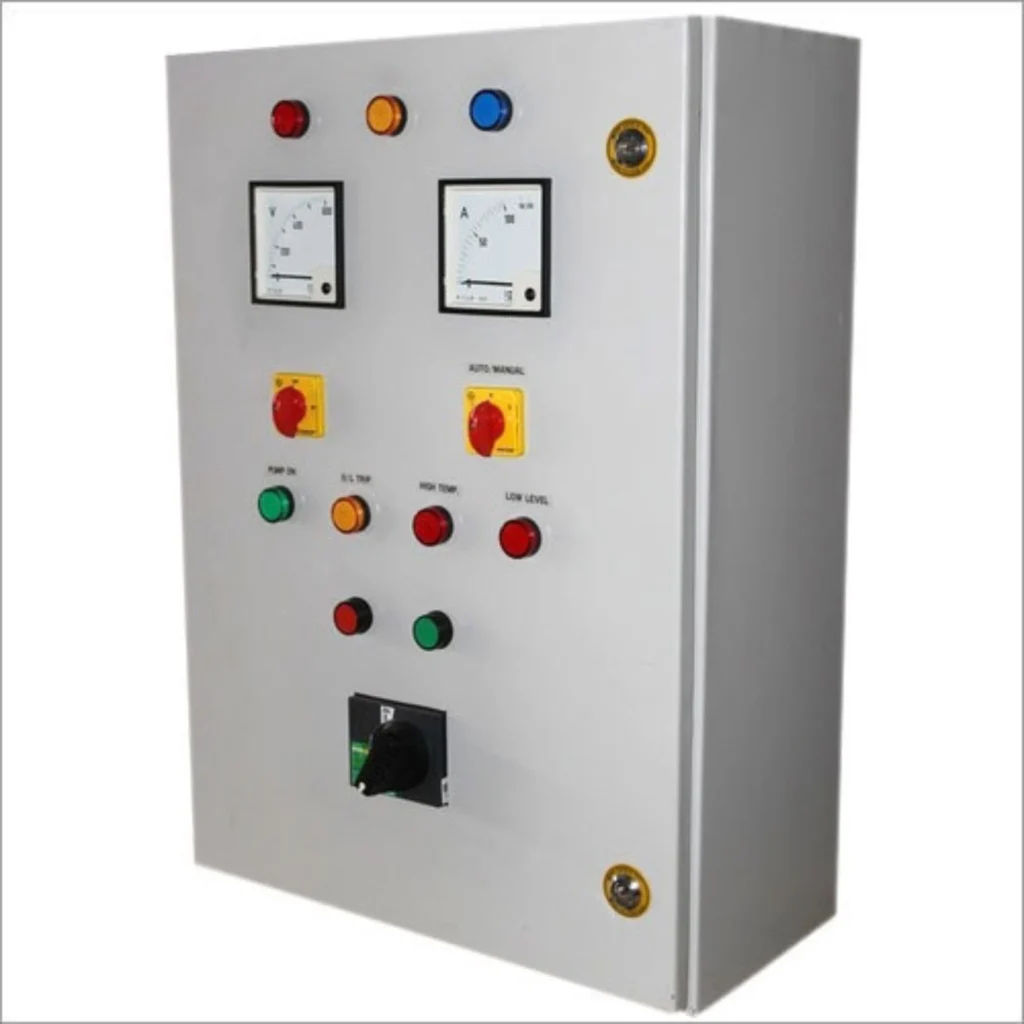
Starter panels, also known as motor starter panels, are essential for controlling and protecting electric motors. They offer various features, including starting, stopping, reversing, and protecting motors from overload, short circuits, and phase failures. Soft-starter panels provide smooth starting, reducing inrush current and mechanical stress, while some panels also offer remote monitoring and control.
Features:
- Totally customised product – make of the switchgear as per customer’s choice.
- As per Type-II coordination selection or as per customer’s requirement.
- Compartmentalised/ Non-Compartmentalised panel with complete labelling.
- All doors are suitably labelled and marked for convenience of operation & maintenance.
- Ample space is provided for cable termination.
- Various types of starters can be housed, individually or multiple:
- Direct-On-Line (DOL) starter,
- Forward-Reverse starter
- Star-Delta starter
- Autotransformer starter
- Soft Start Unit and
- Variable Frequency Drive (VFD).
Annunciator Panel
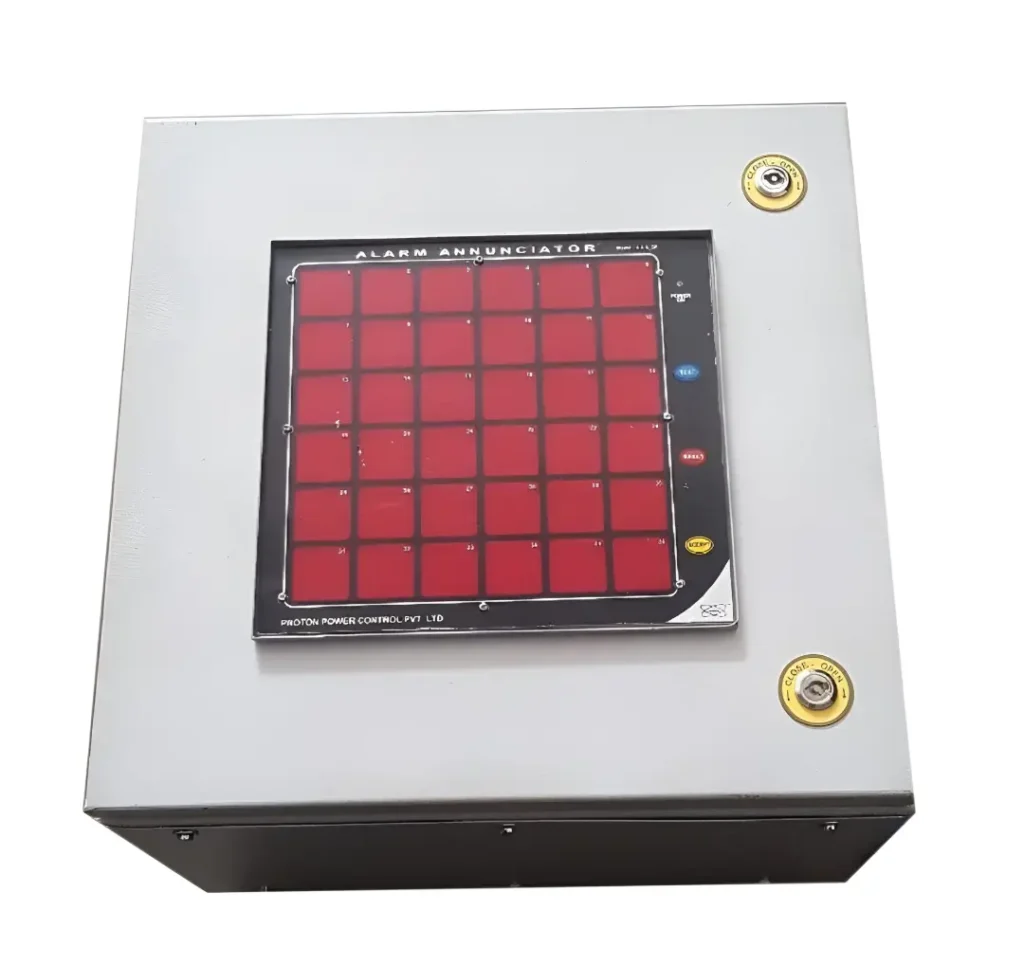
An annunciator panel displays visual and audible alarms to alert operators about various events or conditions in a system. It’s a crucial component in industrial control systems, providing real-time alerts to facilitate timely responses to critical events.
Features:
- Alarm Inputs
- Display
- Audible Alarms
- Control Functions
- Output Connections
- Environmental Considerations
- Sequence of Events (SoE) Recording
- Safety and Reliability
- Window Size and Number
- Facia Type
C&I Panel
A C&I panel, in the context of energy, refers to a Commercial and Industrial (C&I) panel used for managing energy in commercial and industrial facilities. It’s not a specific type of electrical panel but rather a term used to describe energy systems, like solar or energy storage, designed for these types of buildings. C&I panels are crucial for managing energy consumption, reducing costs, and supporting grid stability.
Features:
- User Interface (HMI)
- Control and Monitoring
- Energy Monitoring
- Safety
- Modular Design
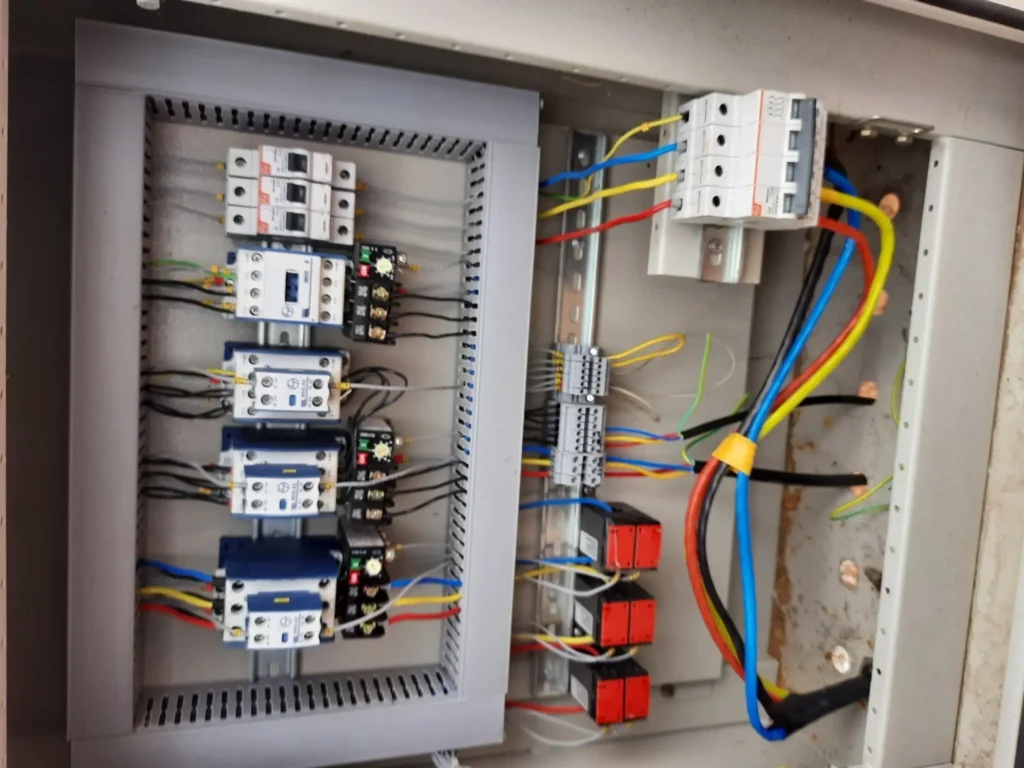
Drive Panel
Drive panels, also known as Variable Frequency Drive (VFD) or Variable Speed Drive (VSD) panels, are enclosures that house a VFD and related components for controlling the speed and torque of electric motors. They typically include features like adjustable speed control, energy efficiency, and protection against overloads and other faults. Specifications vary based on the application but generally include voltage, current, frequency, and enclosure protection ratings.
Features:
- Adjustable Speed Control
- Energy Efficiency
- Motor Protection
- HMI (Human Machine Interface)
- Communication
- Bypass
- Soft Start
- Compact Design
- Modular Design
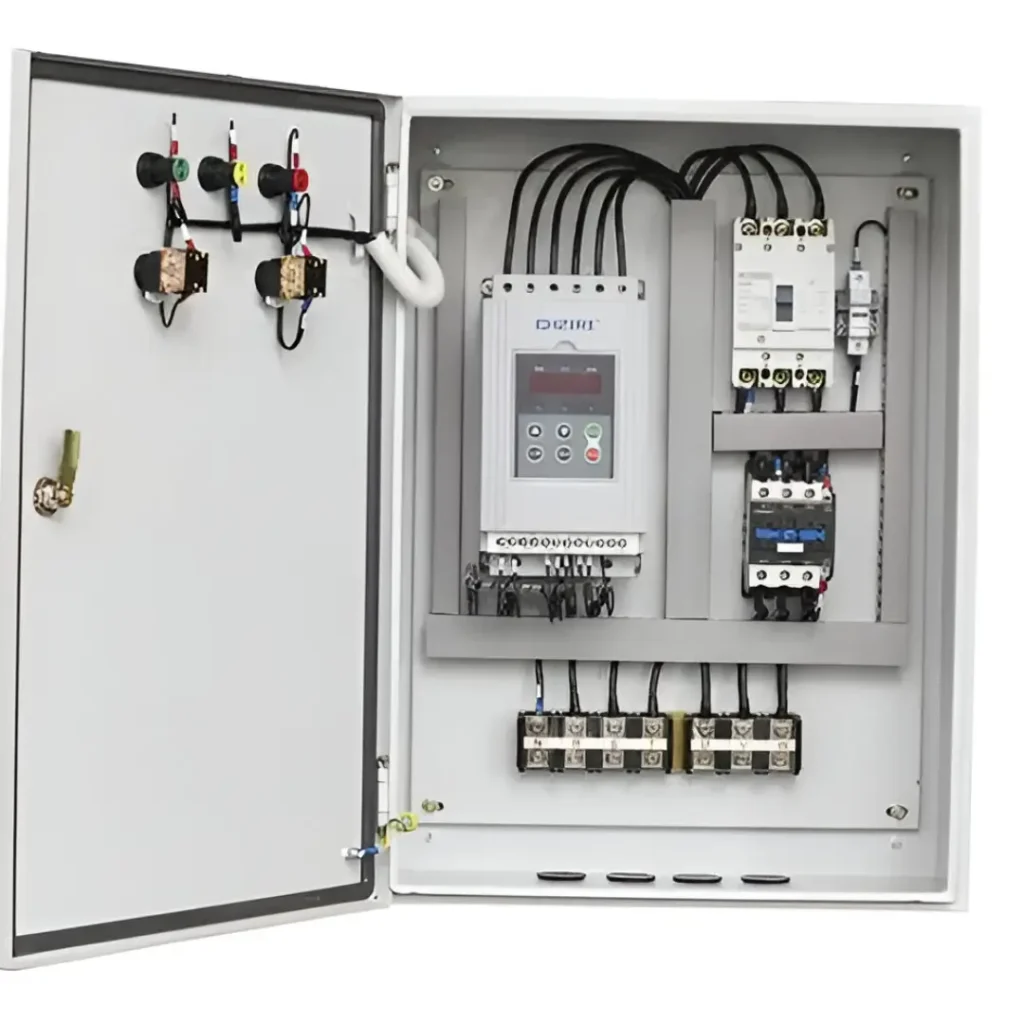
Electrical Wired Panel
Wired control panels are essential components in various systems, offering a range of features and specifications for reliable operation and control. These panels can be found in areas like industrial automation, security systems, and electrical distribution, offering robust solutions for a variety of applications.
Features:
- Monitoring and Reporting
- Connectivity
- Control Outputs
- Physical Dimensions and Construction
- Customization
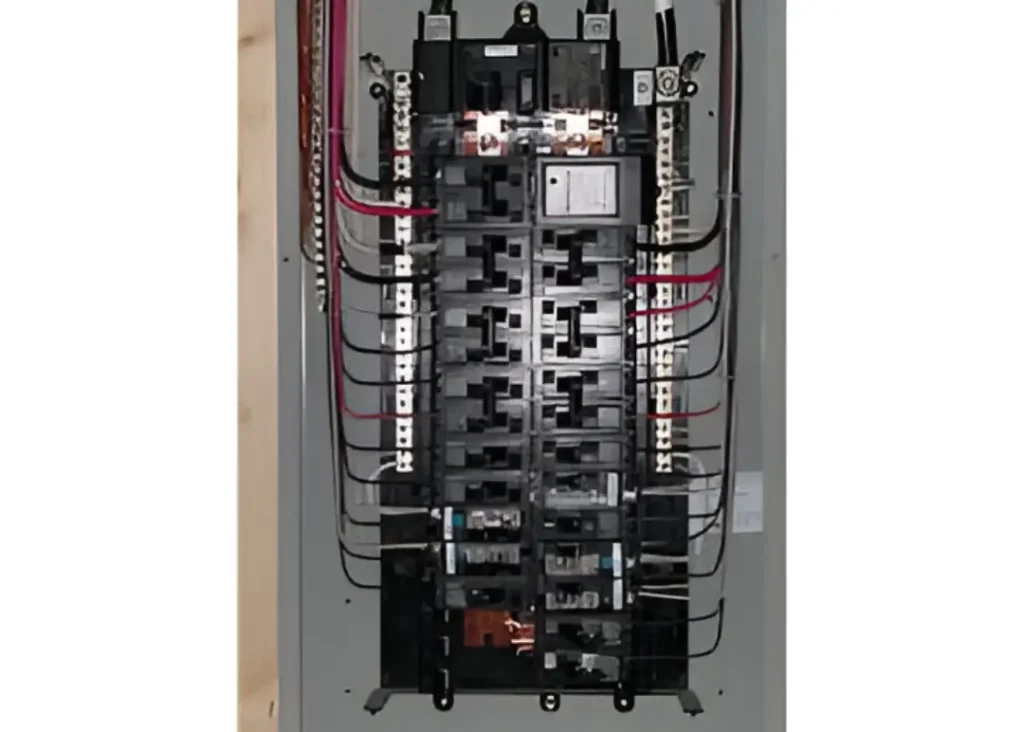
Apex Panel
The “Apex Panel” can refer to several different products, including LED video walls, control panels for servers, and metal roofing panels. The specific features and specifications will vary depending on the type of Apex Panel.
Features:
These panels are designed for high-performance LED video walls, offering features like 4K@60Hz resolution, HDR10 compatibility, Clearview™ technology, and low-brightness enhancements. They are often front-serviceable and have optional remote power supplies for installation flexibility.